


Voices of International Students

RIBEIRO FALC?O LORRANA
Doctoral Program in Education, Graduate School of Comprehensive Human Sciences
From Brazil

What sparked your interest in this university?
University of Tsukuba is one of the few universities in Japan that offers the International Baccalaureate program within its Master's in Education degree program. Besides this fact, the professors' research areas were also a decisive factor that led me to choose University of Tsukuba to pursue my master's degree. Last but not least, the presence of a big Brazilian community and the Association of Brazilian Students of the University of Tsukuba (AEBUT) made me feel safer in my choice. Of course, other factors such as the geographical location, campus size, and available dorms upon arrival influenced my decision to choose the University of Tsukuba, as these are things that can impact your perception when you first arrive in Japan and overall experience and adaptation to the new life.
What aspects of Japanese culture or customs surprised you? How did you adapt to them?
As I had lived in Japan when I was younger, I can say I was mostly adapted to the major differences and didn't really experience culture shock like most international students might get when they first arrive in Japan. That being said, there were still many things I had to get used to and understand in order to adapt better as an adult with different responsibilities in a graduate degree. The Seminar culture as well as the relationship with laboratory/seminar peers and professors are also different than what I was used to, but I realised that communication and explanation are still the best way to avoid cultural misunderstandings and align cultural differences.
What do you enjoy about Tsukuba?
Tsukuba City is extremely well-located and peaceful at the same time. The city is a balance between being convenient and having everything you need to live comfortably, and still having lots of nature and beautiful landscapes. The Tsukuba Express and the University/Tokyo bus make it very convenient to go frequently to Tokyo city if needed for events or entertainment. Another plus is that living expenses are more affordable than in other cities near Tokyo. Because of the presence of the university and the amount of international students, I feel like the city is more receptive to foreigners in comparison to other cities in Japan, having services to aid with the language barrier for essential services.
What do you hope to achieve during your time here?
I love the University of Tsukuba's motto, "Imagine the Future," and it guides my research and life in the university. I hope I can be a student with a positive presence at the university, that I can help people from my community and other international students feel welcomed, and help them any way I can, to share my culture and language with the Japanese (and other international) students, to bridge our countries and create an atmosphere of appreciation for our differences. Of course, I want to achieve high levels of ethically guided research that can impact society and promote social justice.
What do you think makes the University of Tsukuba special?
The first thing that comes to my mind is how green the university is. It is extremely refreshing to be in a smoke-free campus surrounded by so much nature. I love how the whole campus has flowers, trees, and animals roaming around; it creates a peaceful atmosphere that is great for studying. The University professors and staff are incredibly welcoming as well, helping in any way possible the adaptation of new students, foreigners, and nationals. The presence of the clubs, circles, and the international students' association makes life on campus more lively and welcoming.
-

SIYA JITENDRA DESHPANDE
From India
-
RIBEIRO FALC?O LORRANA
From Brazil
-

VICTOR MASSAKI NAKAGUCHI
From Brazil
-

RIYAM MOTEA AL-RAABEA
From Iraq
-

ASYRAF KAZUKI BIN ABDUL ZAKI
From Malaysia
-

CHUN PI HSIEH
From Taiwan
-

EI YADANAR MAUNG
From Myanmar
-

LIANG LIU
From China
-

EMMA ROSE DANGERFIELD
From Australia
-

IBRAHIM AKID
From Tunisia
-

LEYUN HUANG
From China
-

HYOWON LEE
From Korea
-

ZACHARY JAMES YOSHIOKA
From USA
-

NIMISH SUDHIR GODSE
From India
-

HASINI NIMANTHI KATIYAPE SAMARASEKARAGE
From Sri Lanka
-

MURAN XU
From China
-

YANG HU
From China
-

TE-YU HUANG
From Taiwan
-

SHAFIQULLAH YOUSAFZAI
From Afghanistan
-

QI SHI
From China
-

MYLES
From USA
-

ISRAT JAHAN
From Bangladesh
-

SOTHEARITH ENG
From Cambodia
-

FELIX COOMBER
From UK
-

WAI PHYO THU
From Myanmar
-

SRINITHI ASHOK KRISHNASWAMY
From India
-

SACHI JOCHI
From Japan/India
-

PING HUAN WANG
From Taiwan
-

NGHI NGUYEN BAO
From Vietnam
-

GUANGQI AN
From China
-

HELIO NONOSE
From Brazil
-

TAO LENG
From China
-

INSYIRAH
From Malaysia
-
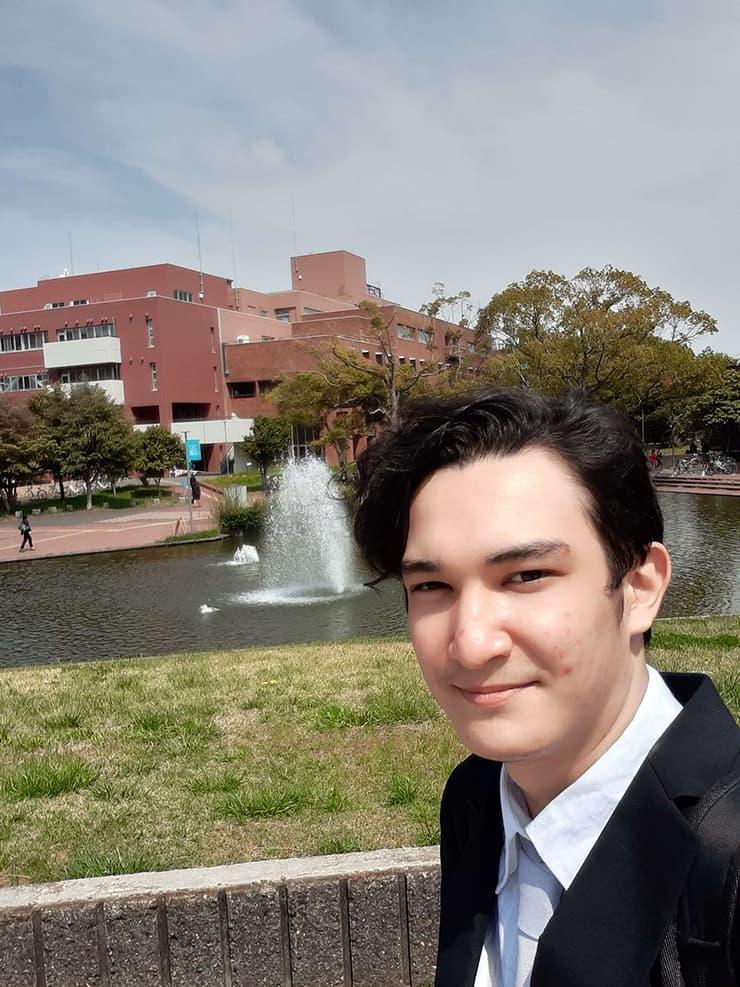
ARAMAKI, CAUE SINGO
From Brazil
-
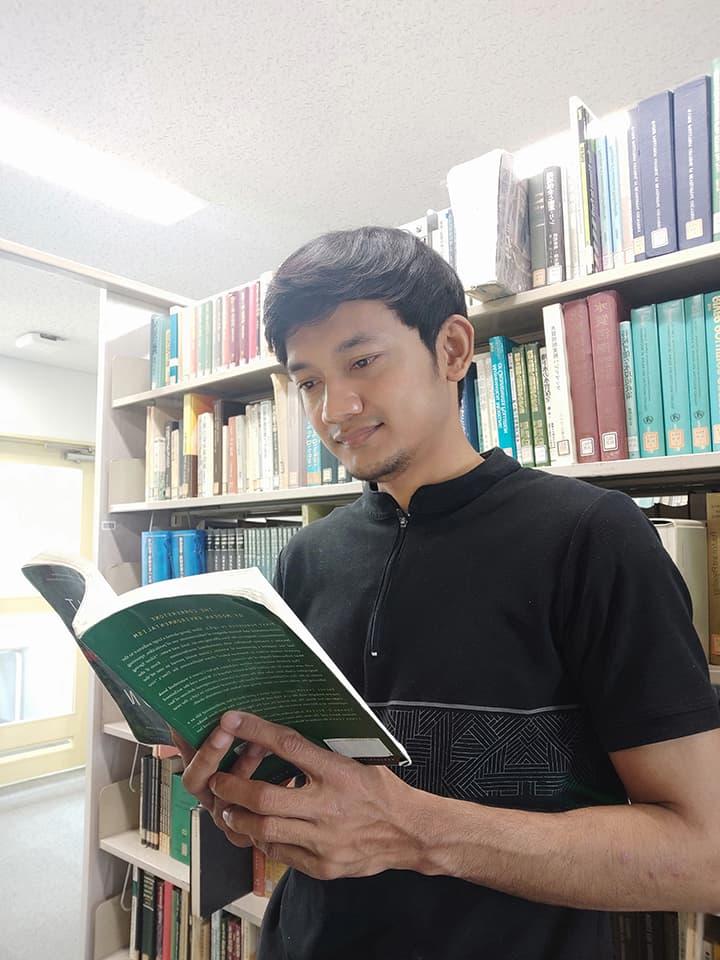
SUHARMAN
From Indonesia
-
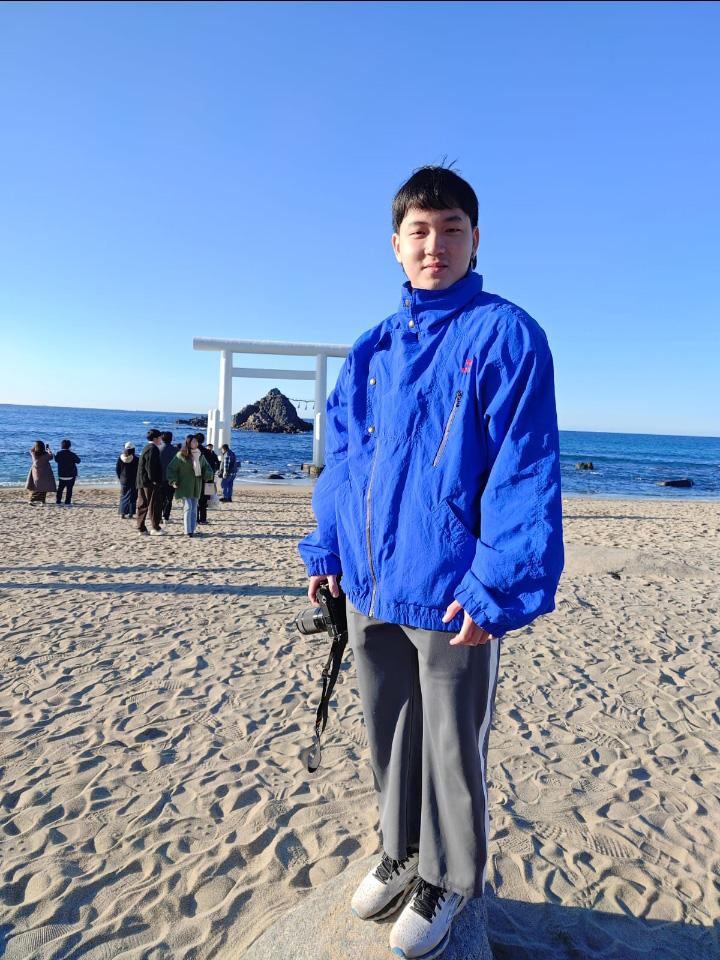
NG RAY SHAN
From Singapore
-
DU XIN
From China
-
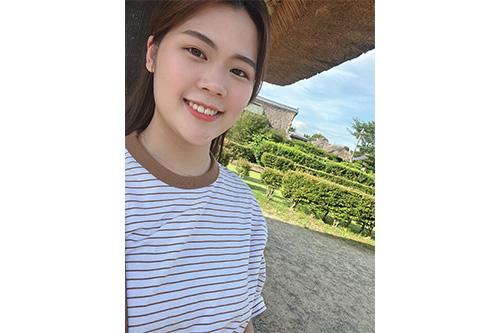
YINA SHIN
From Korea
-
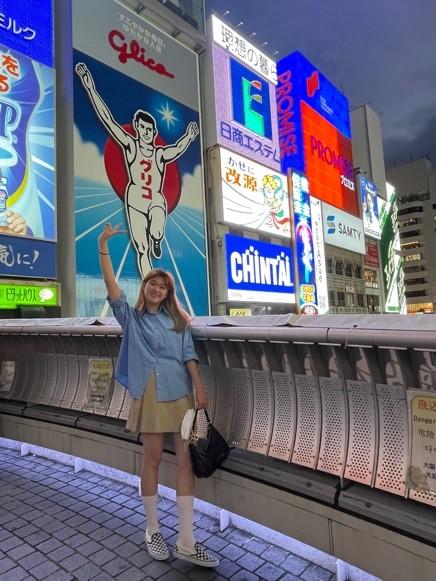
JOOEUN YOON
From Korea
-
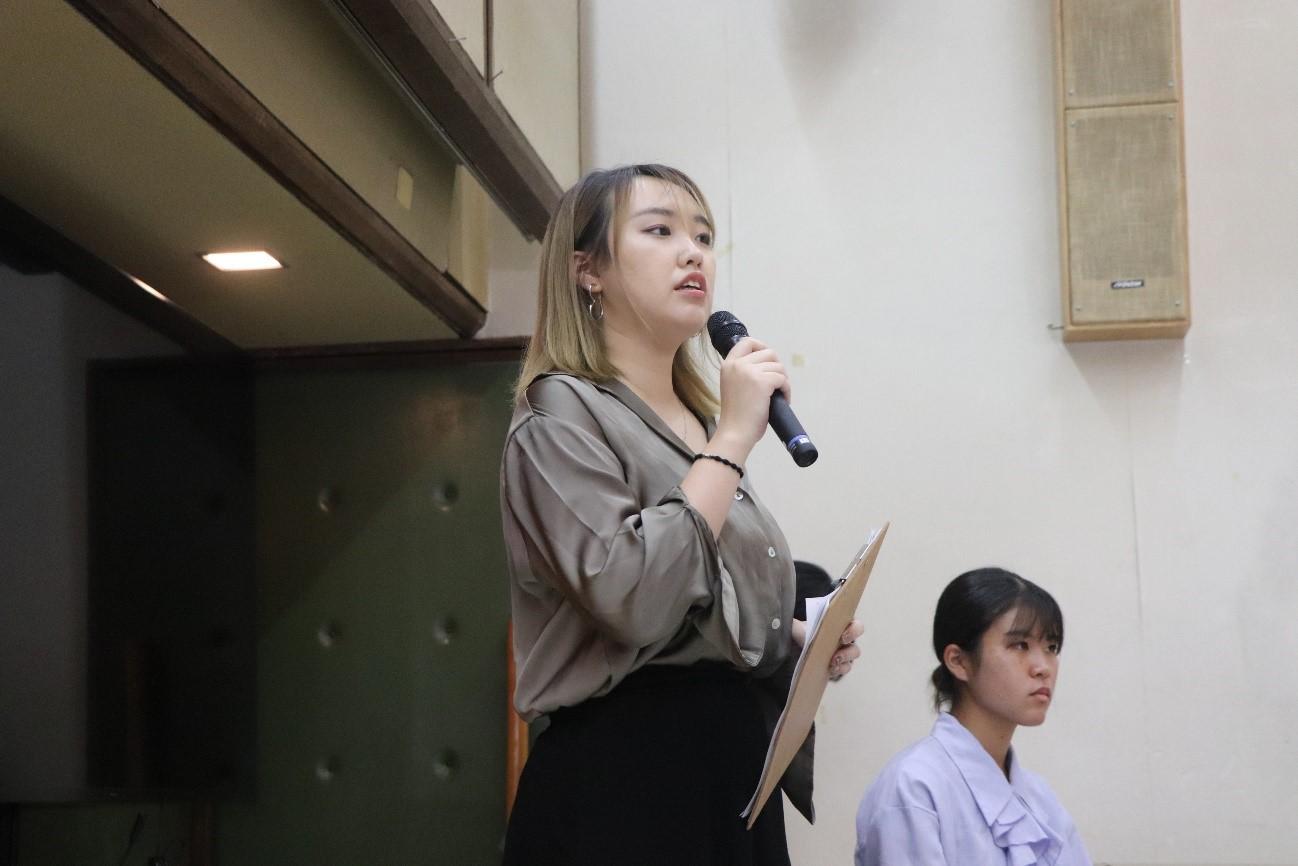
REN YIHAN
From China
-
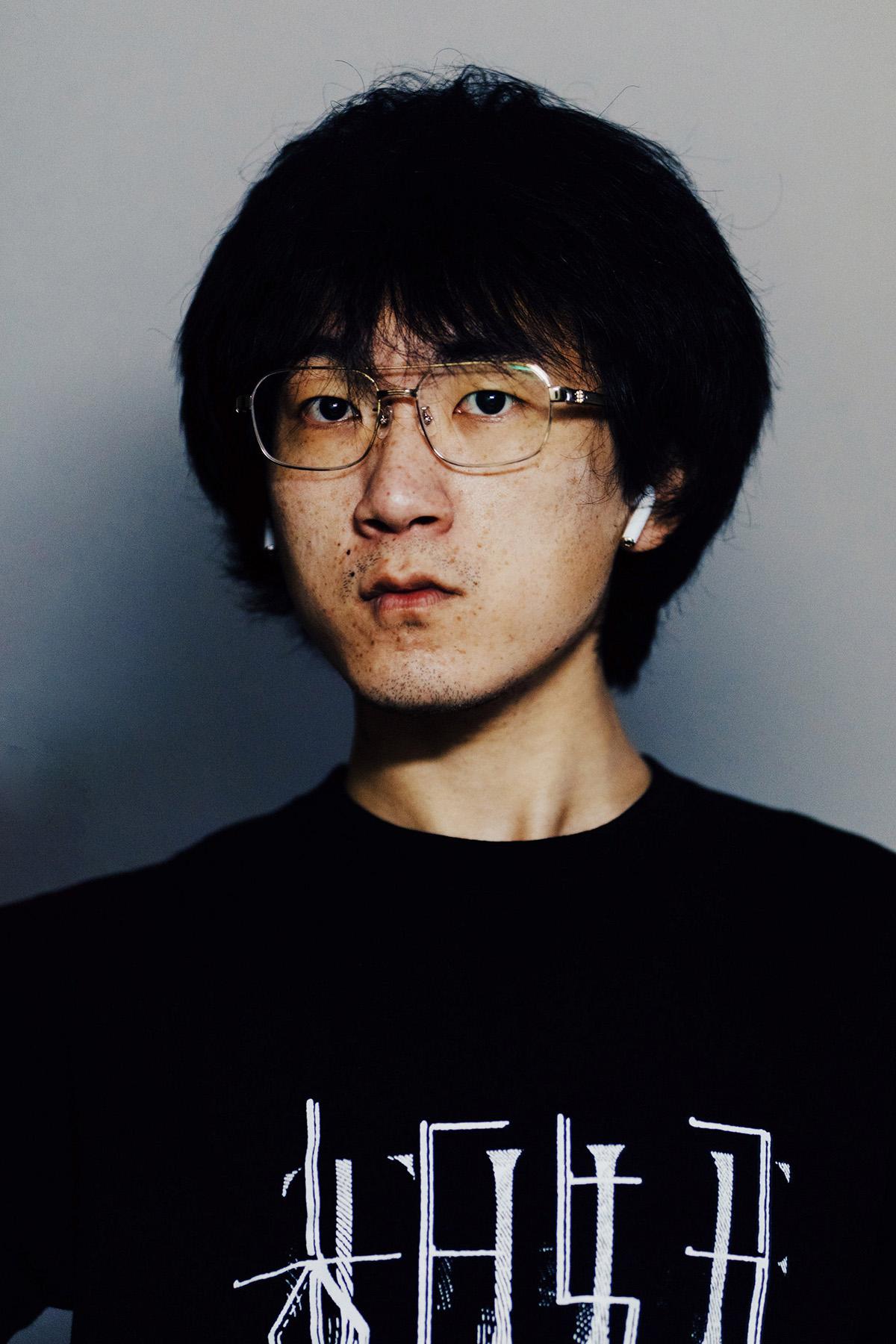
MENG LIYUAN
From China
-
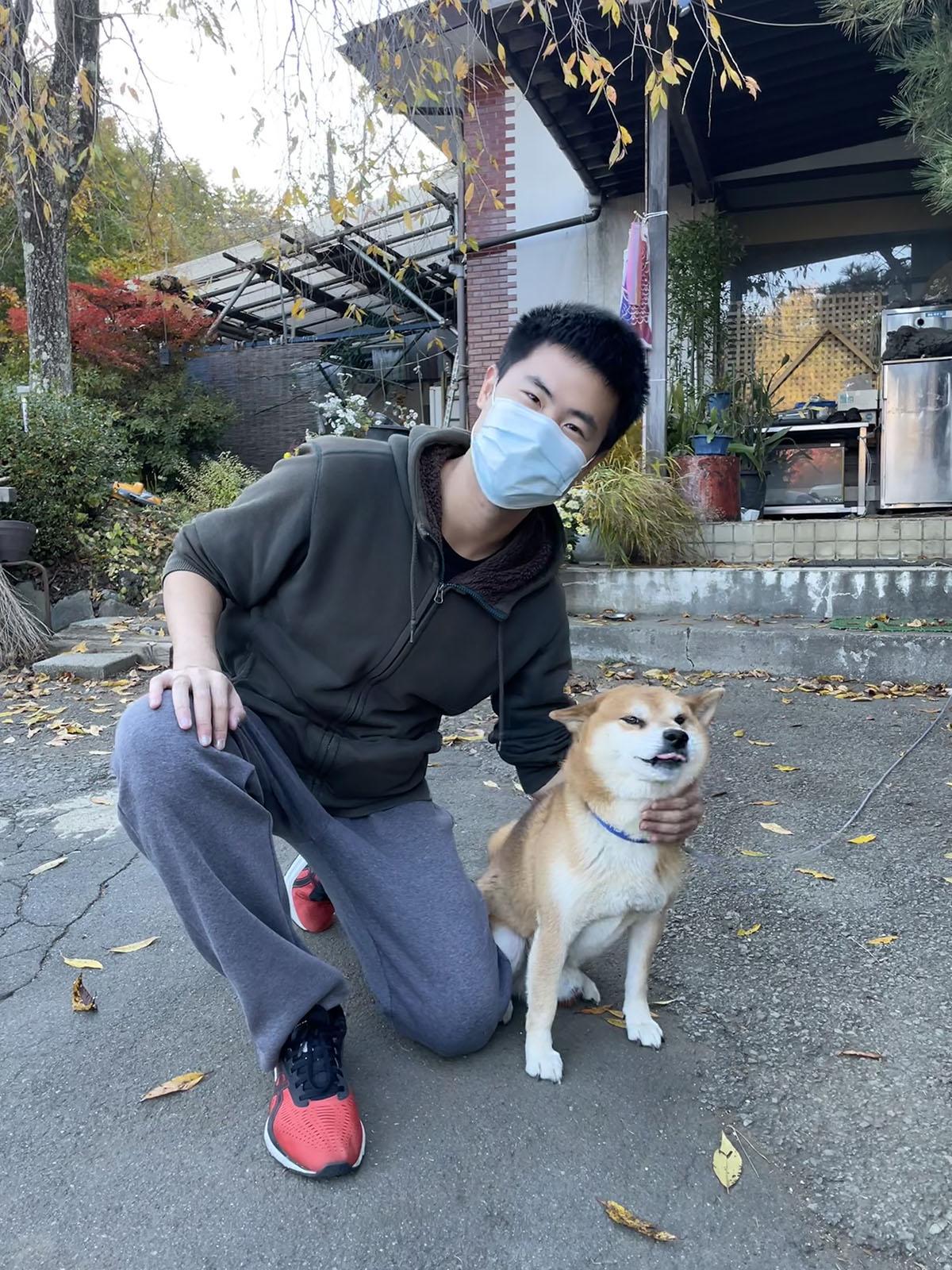
WU BOQIAN
From China
-
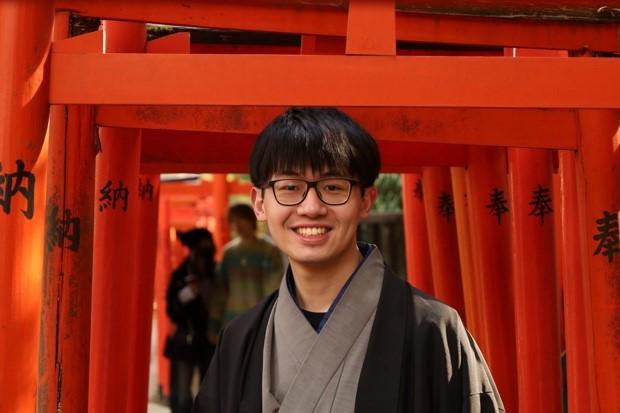
YU, CHENG-HAN
From Taiwan
-
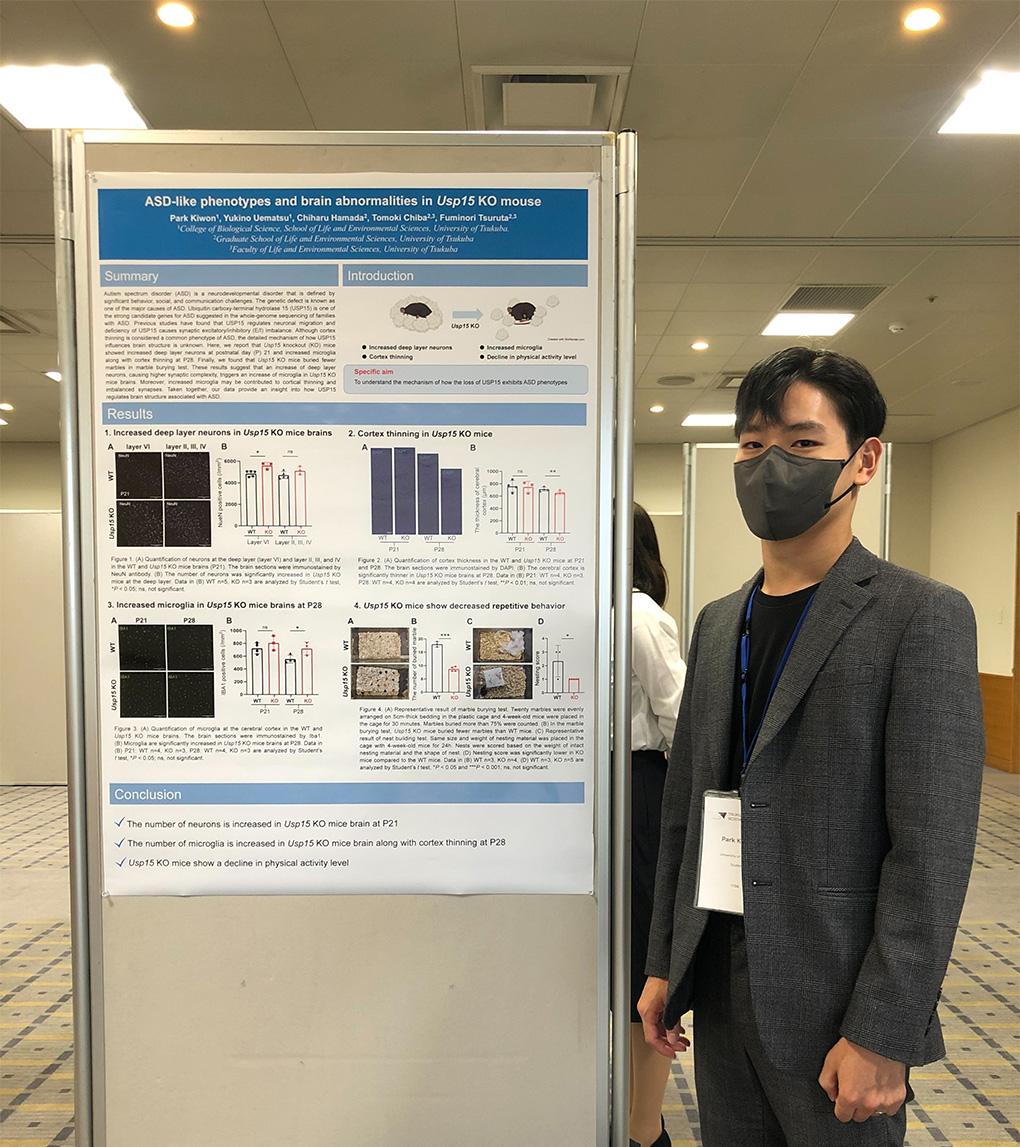
PARK KIWON
From Republic of Korea
-
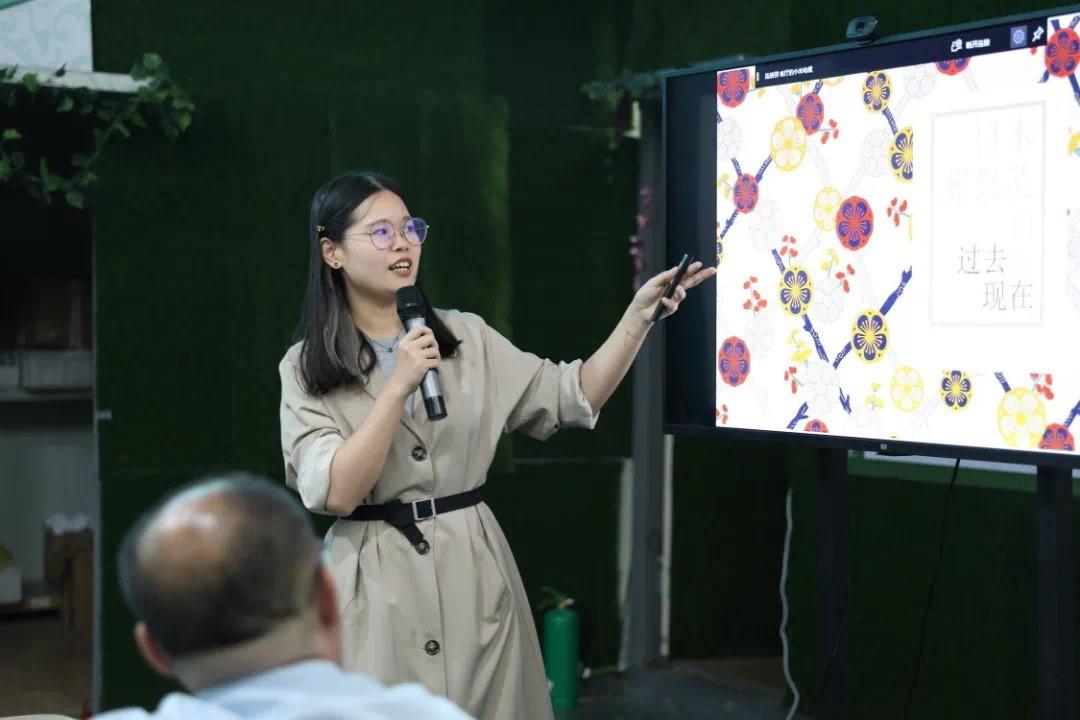
CHEN MIN
From China
-
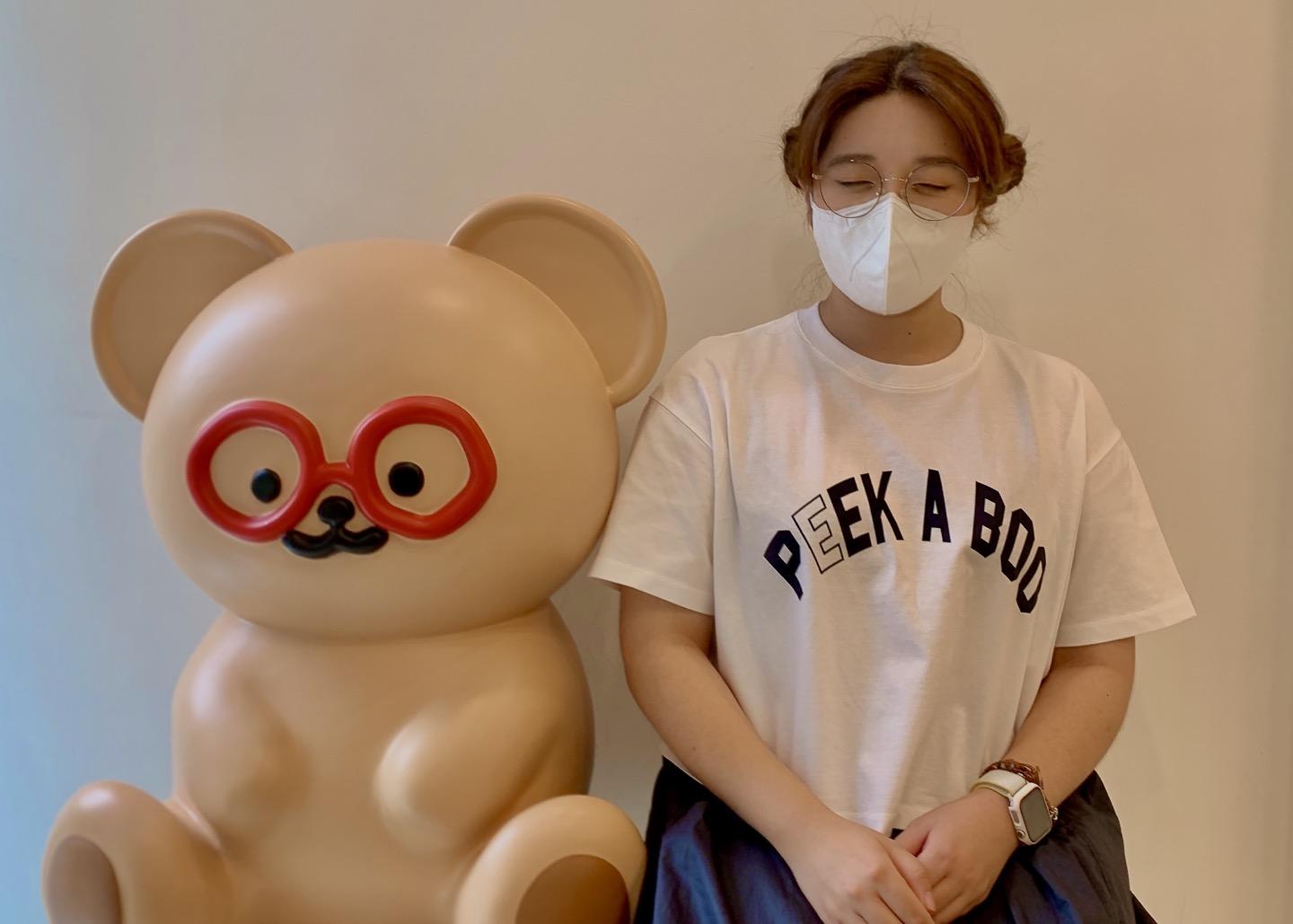
CHAEYEON LEE
From Republic of Korea
-
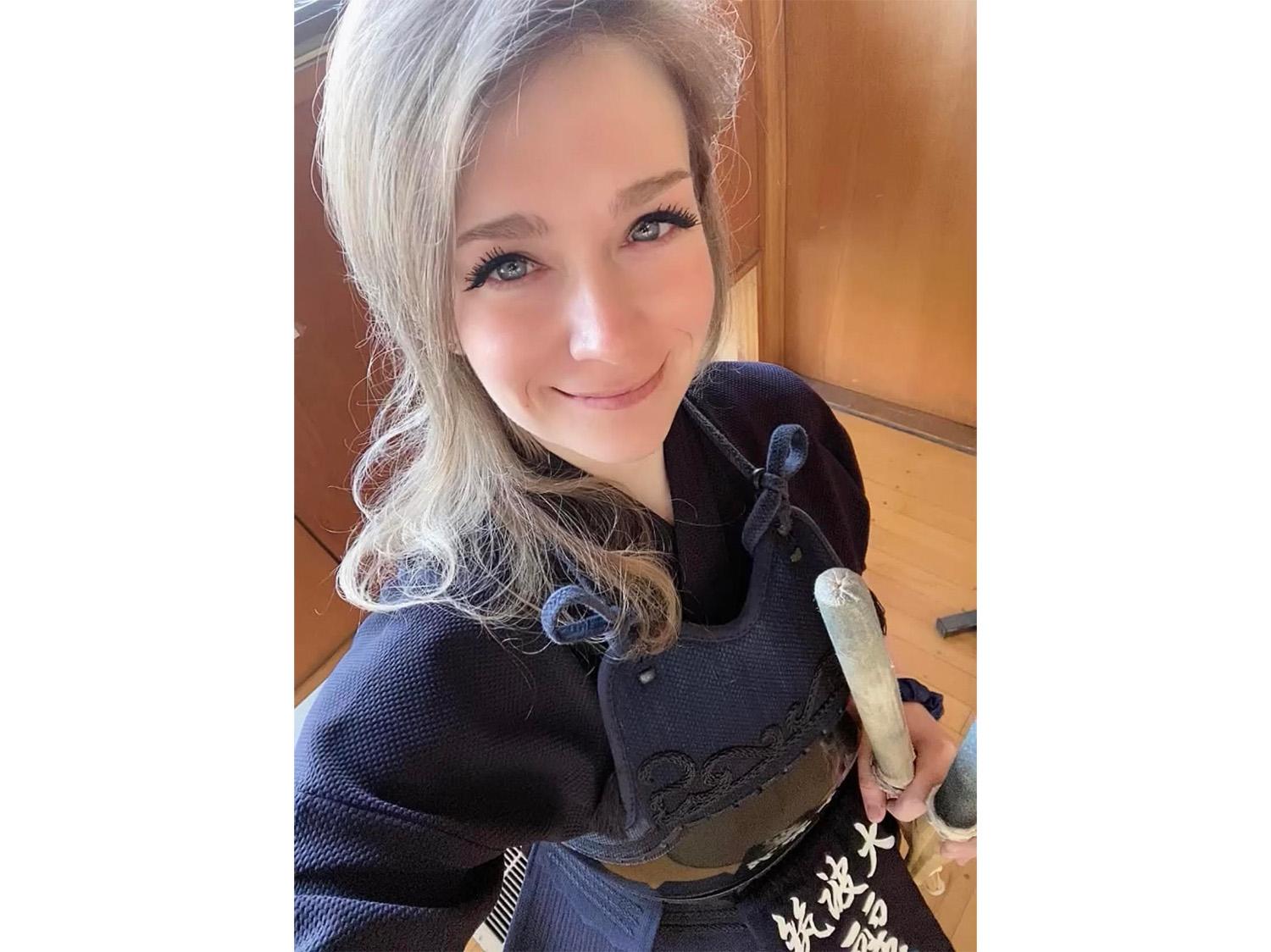
ELIZABETH BERGEN-BARTEL
From USA
-
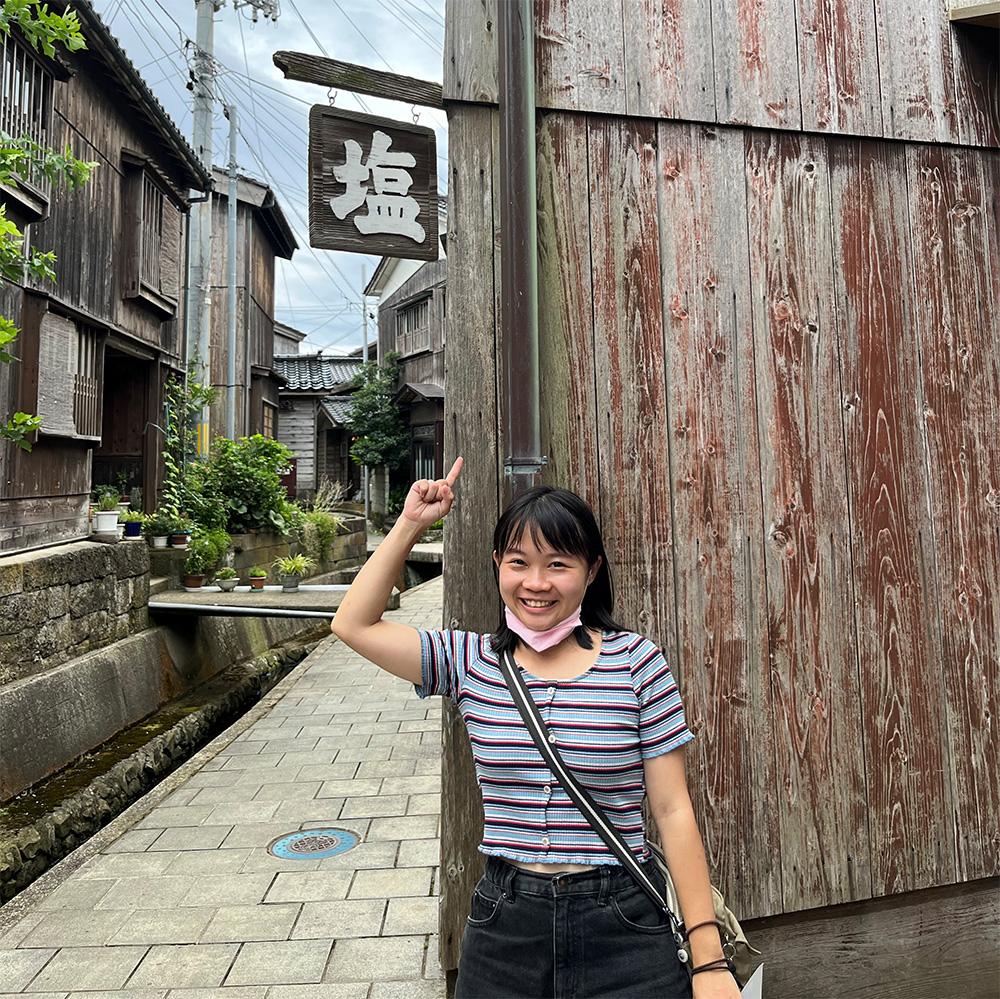
LIAO, HSIN-YEN
From Taiwan
-
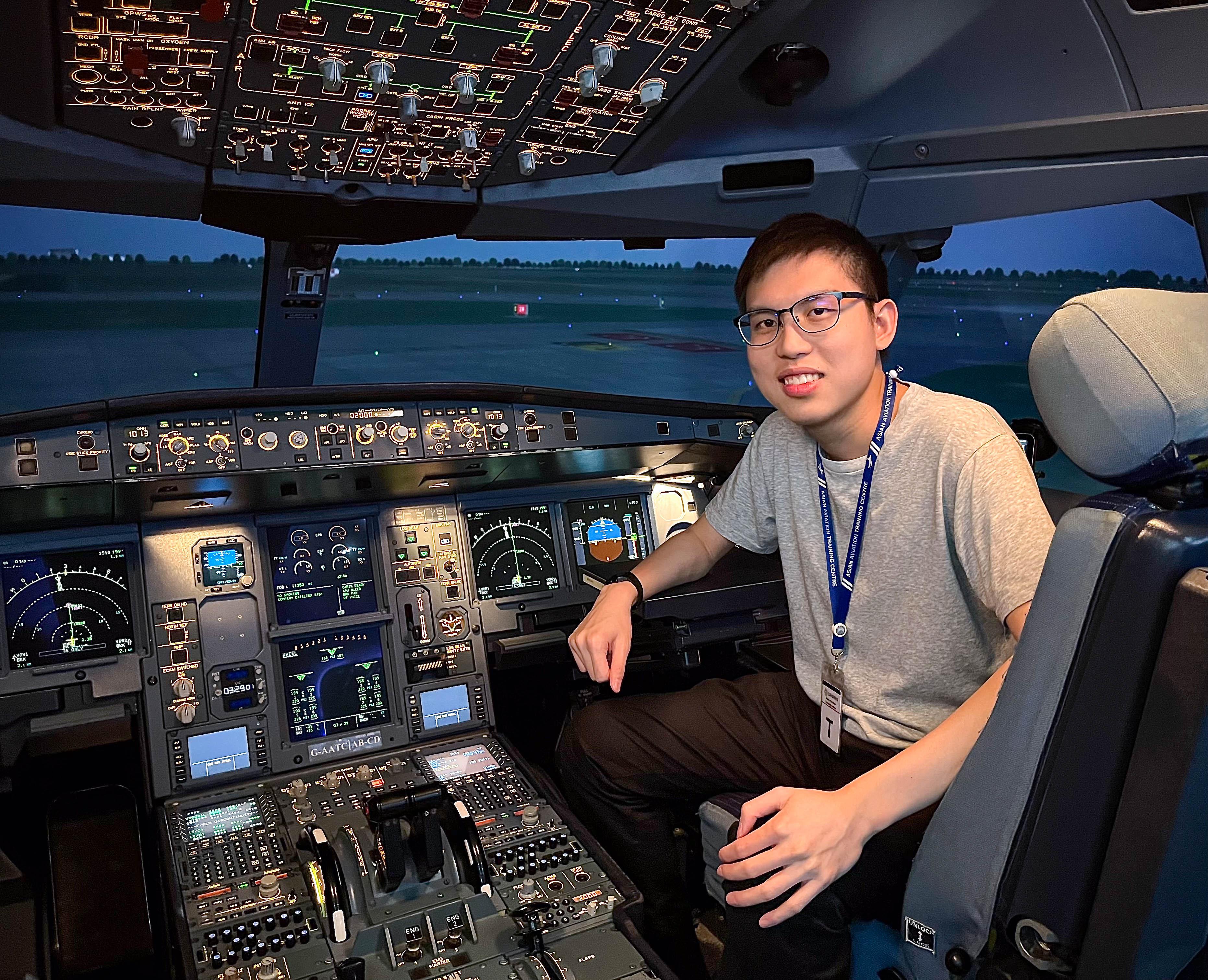
PAKORN WANGSUEKUL
From Thailand
-
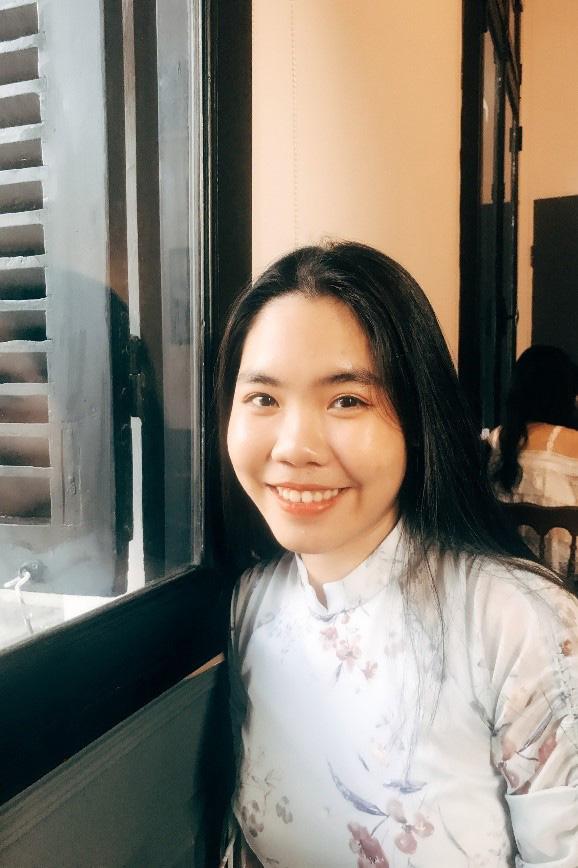
NGUYEN THUY ANH
From Vietnam
-

LAN CHI
From Vietnam
-
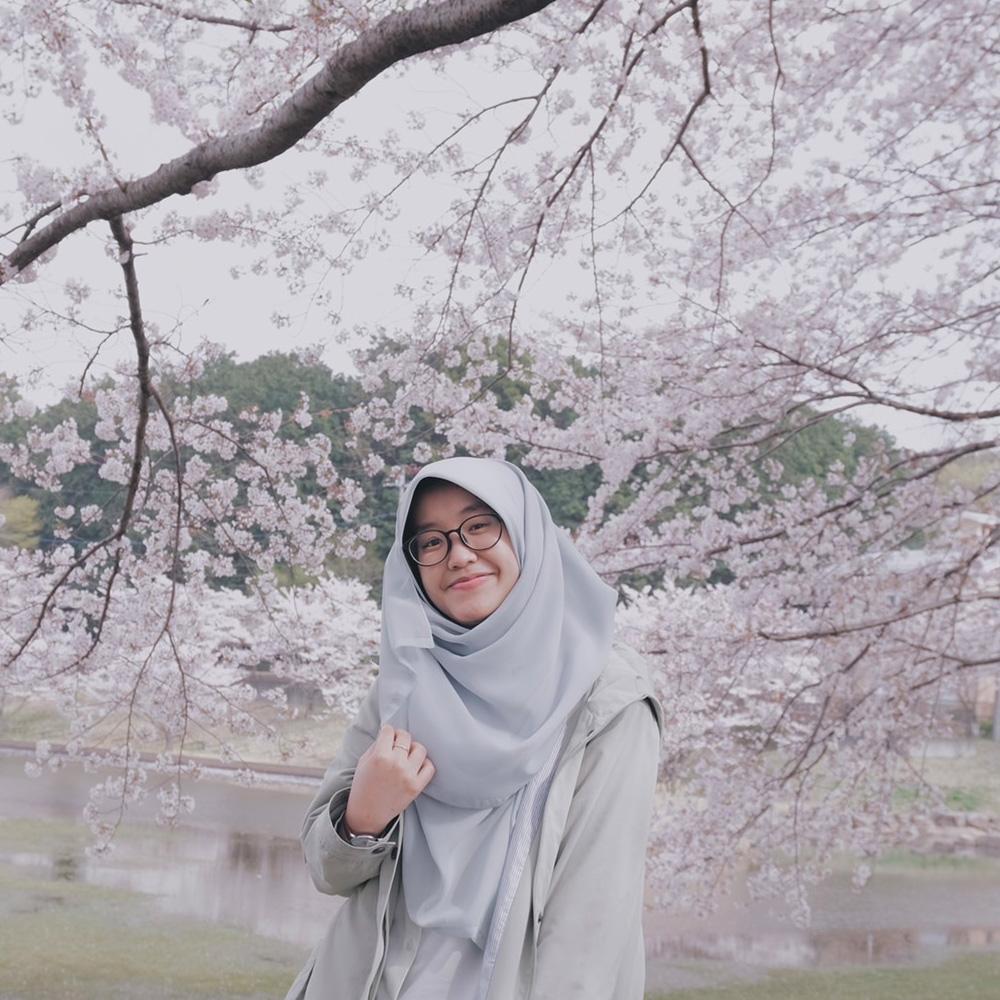
NADIA HASNA KARIMAH
From Indonesia
-
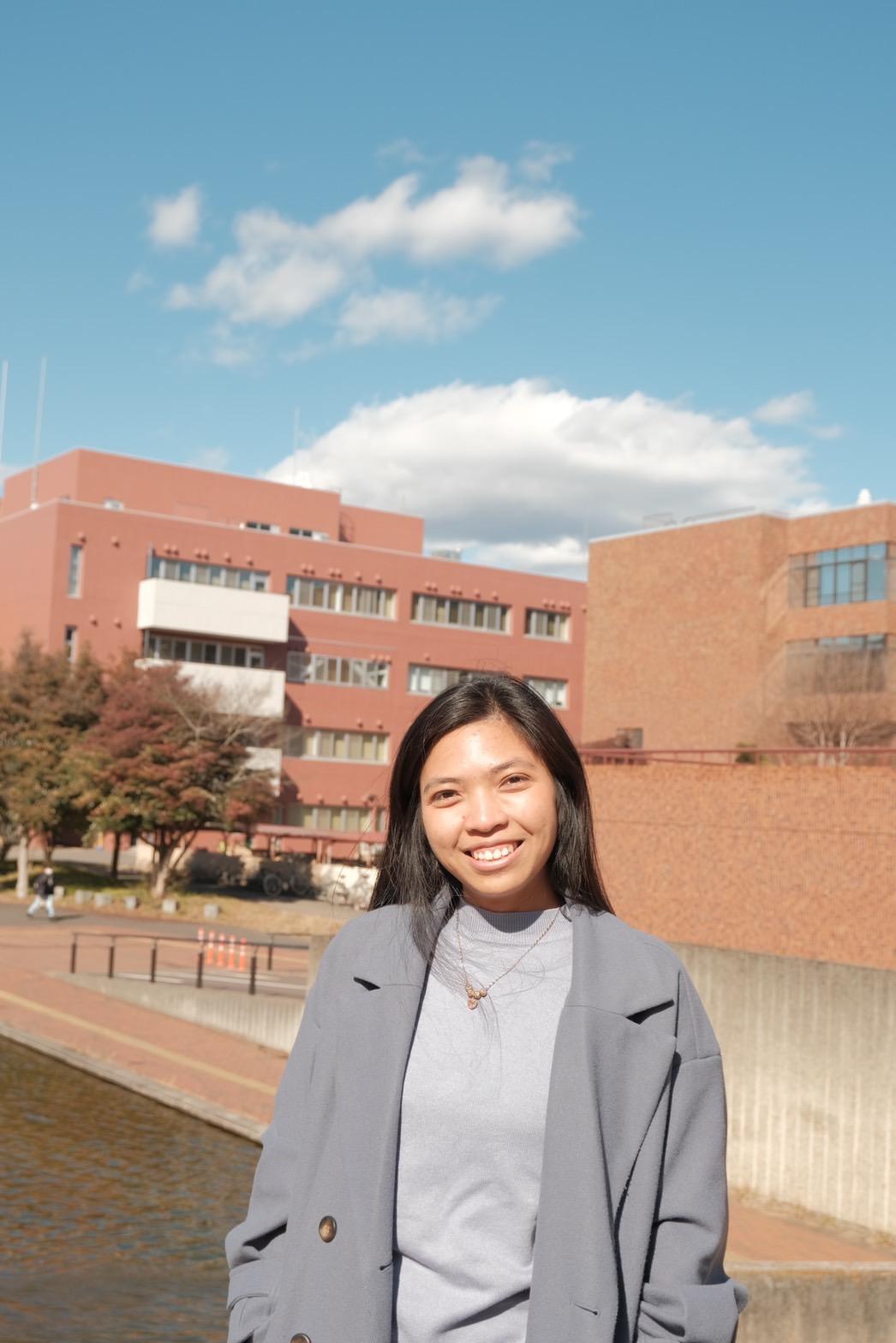
HNIN OO
From Myanmar
-
KAWTAR
From Morocco
-
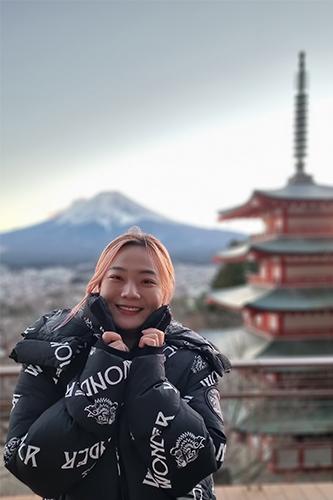
NA
From China
-
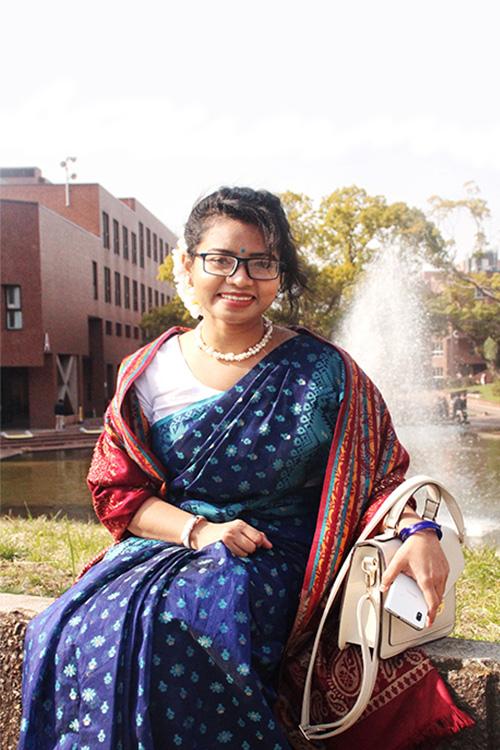
AFSARI
From Bangladesh
-
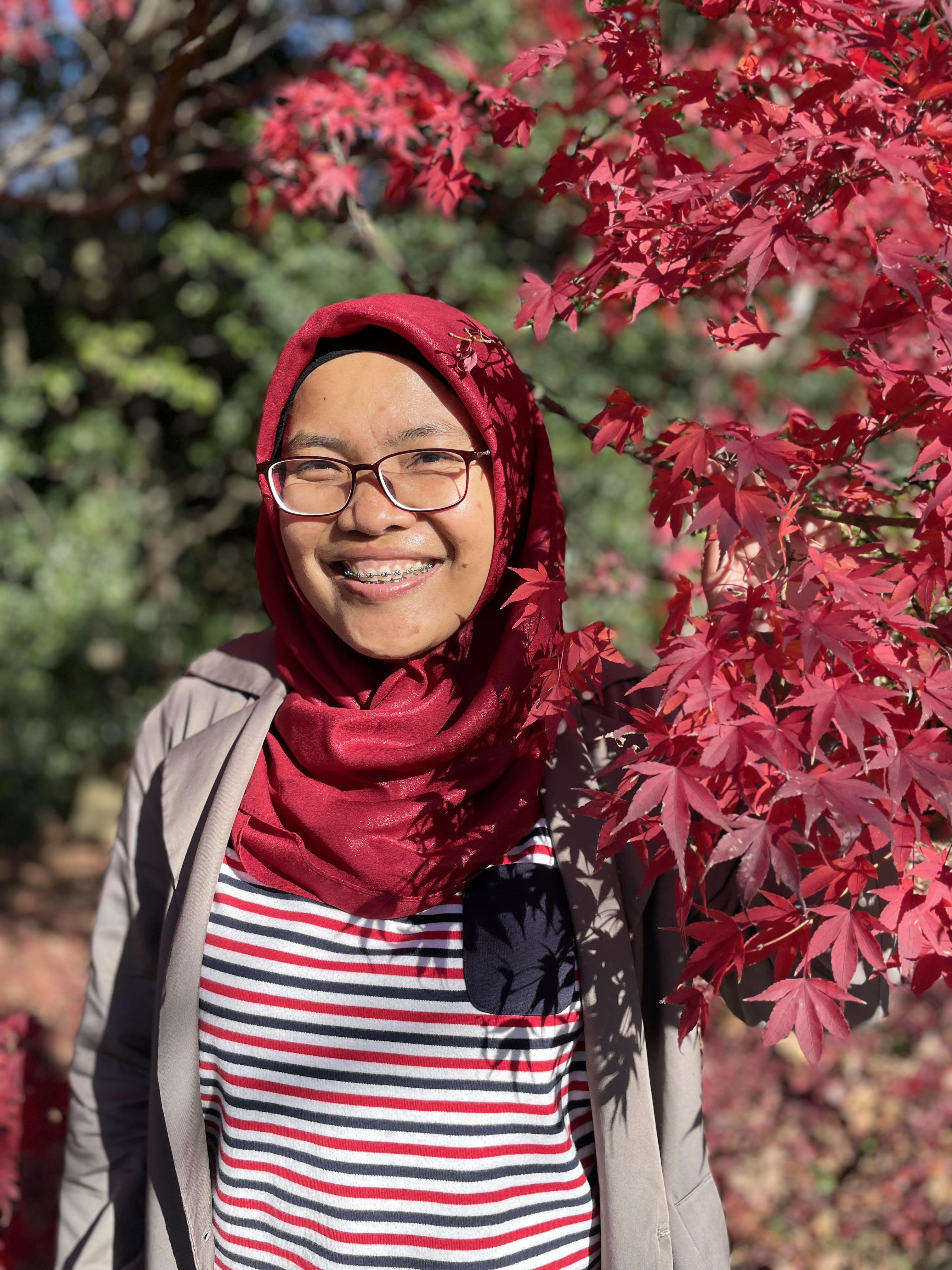
REZA
From Indonesia
-
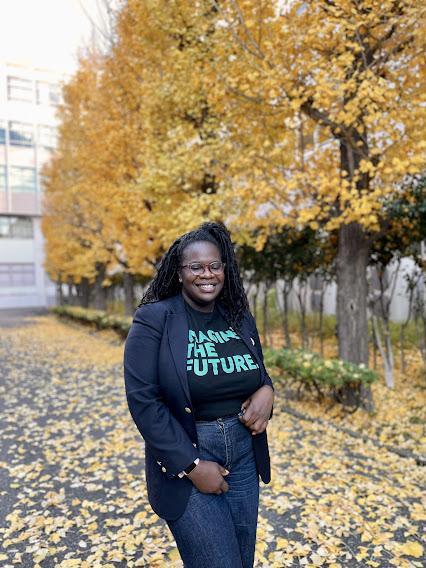
YOLANDA GRA?A
From Angola
-
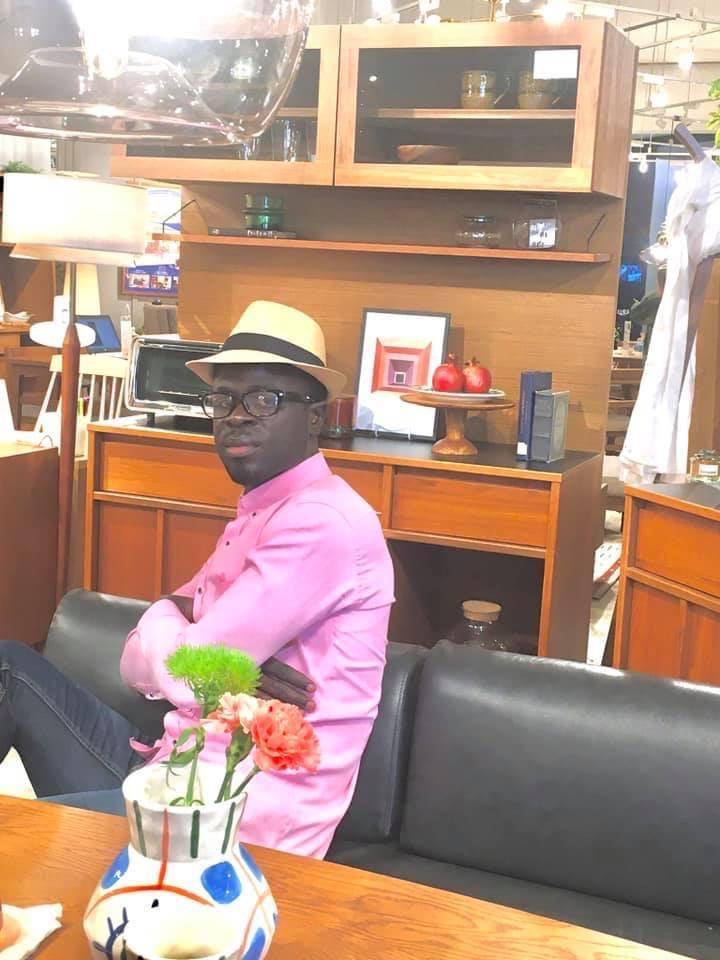
ADOM
From Ghana
-
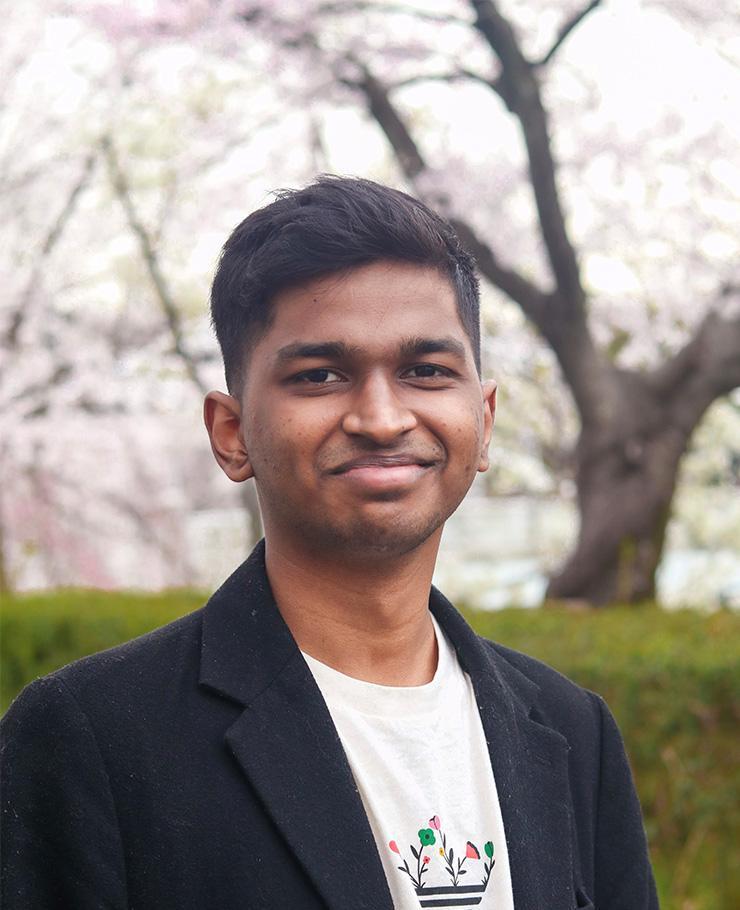
SUDHIR
From India
-
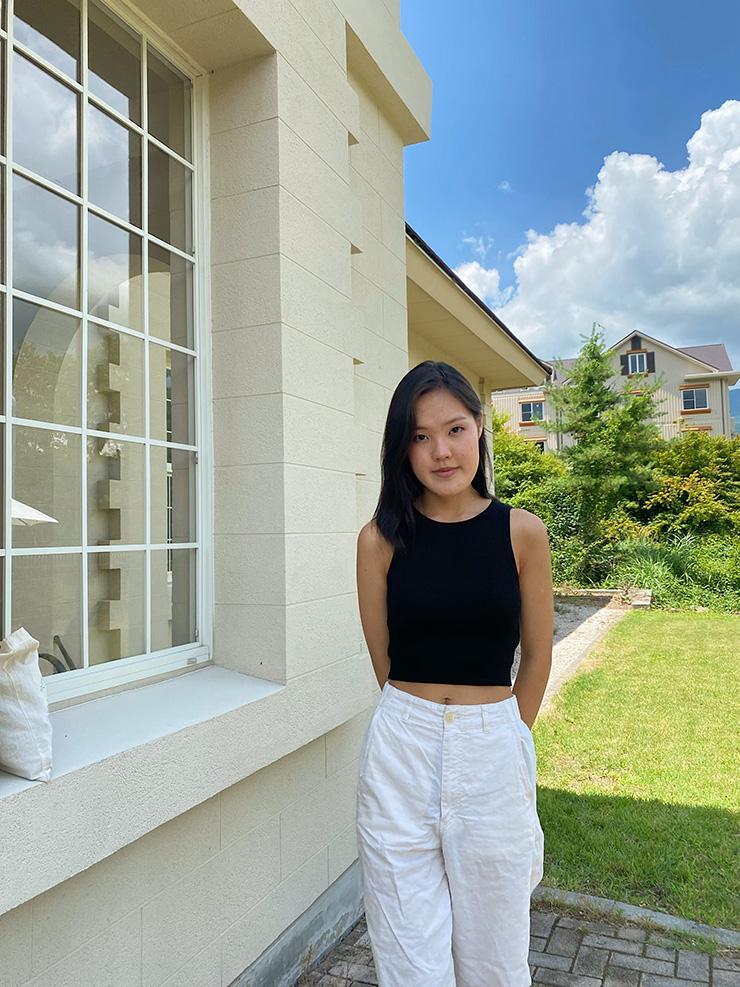
MIKI
From Mongolia/Japan
-
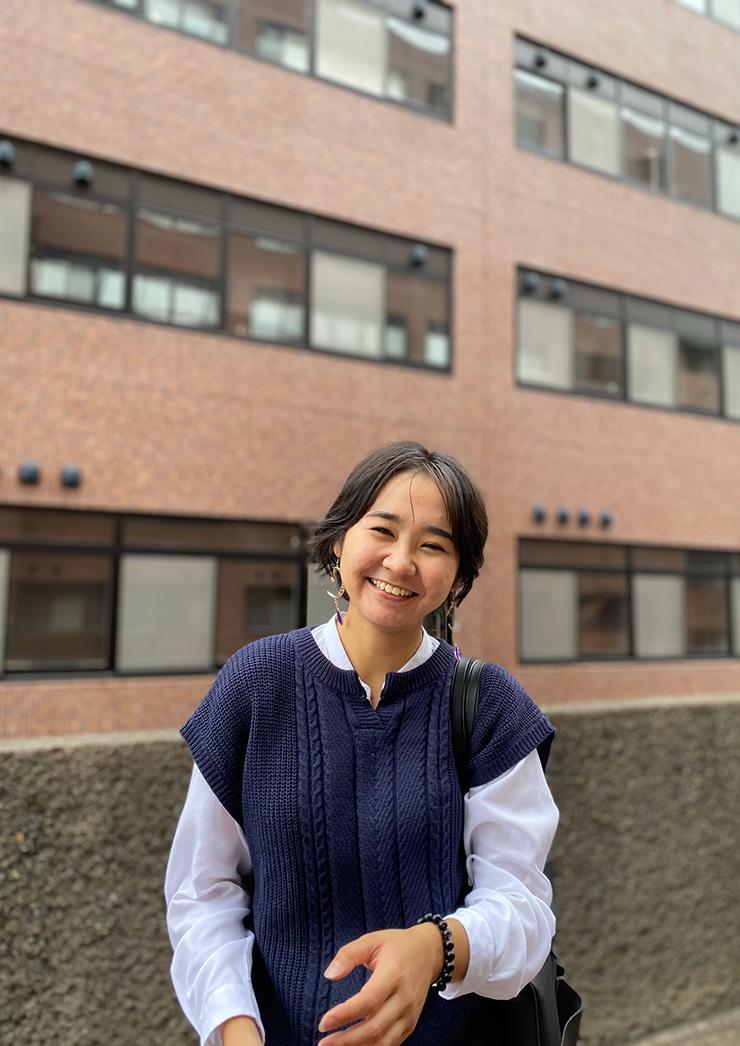
AISANA
From Kazakhstan
-
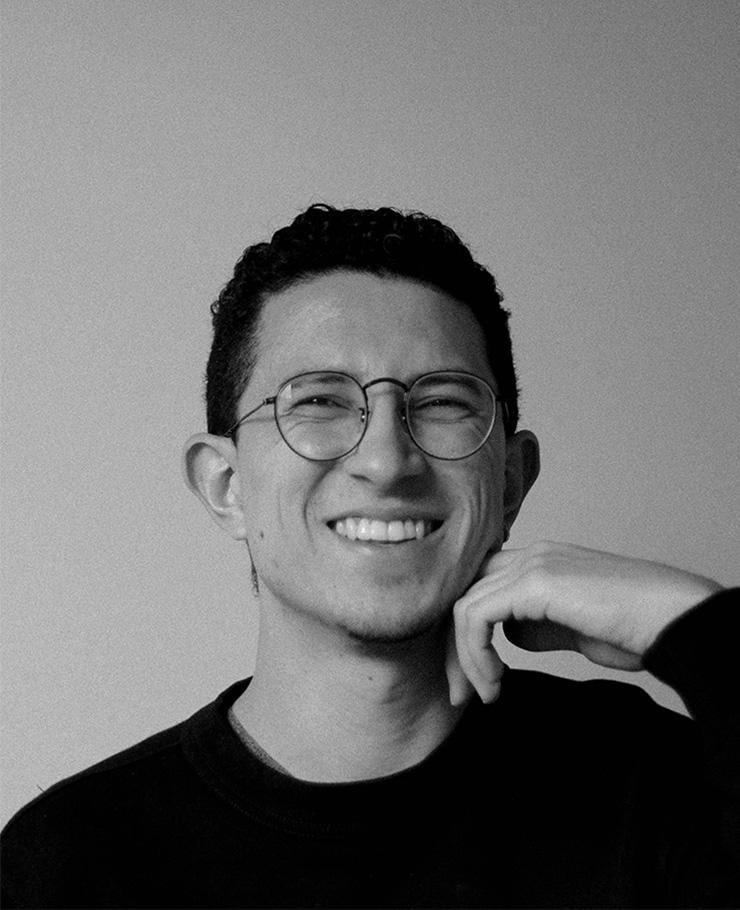
VITHOR SILVA
From Brazil
-
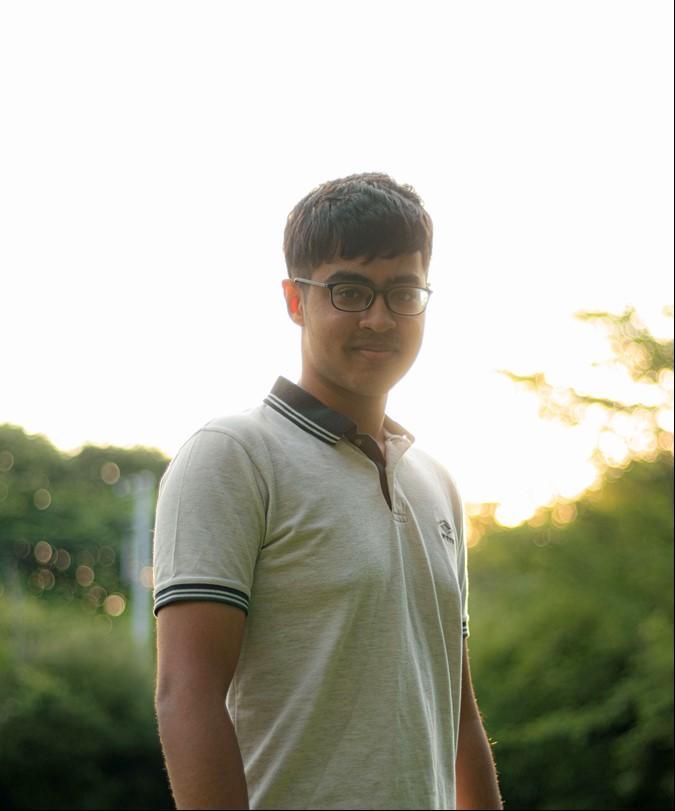
CHINMAY
From India
-
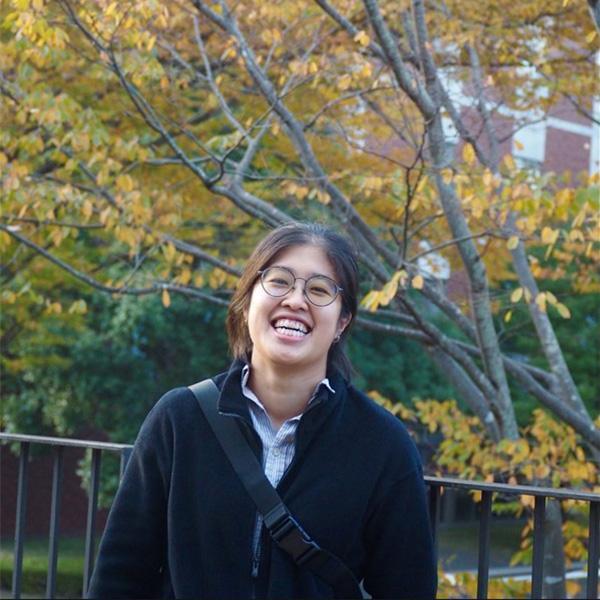
JEE
From Thailand
-
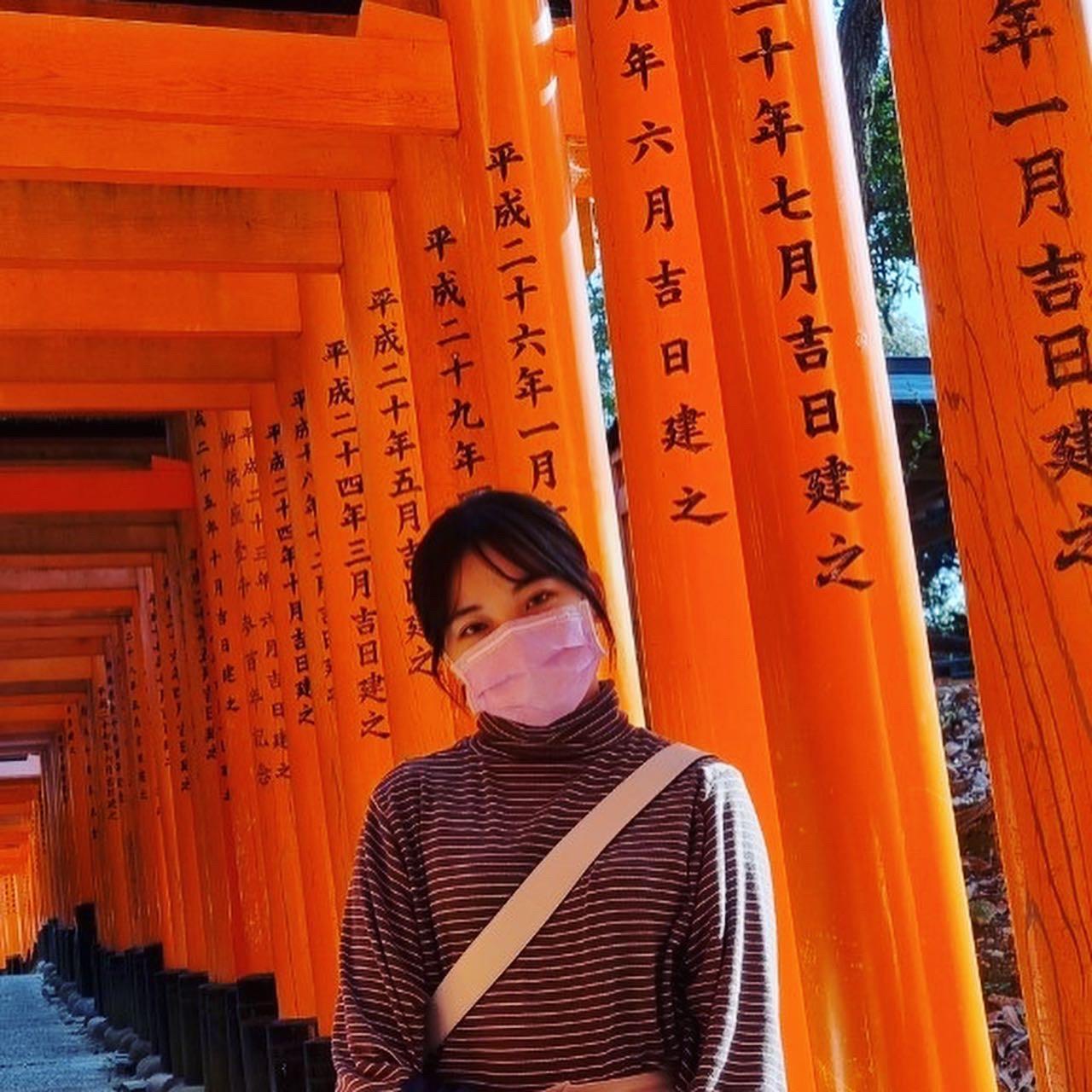
ISLA
From Taiwan
-
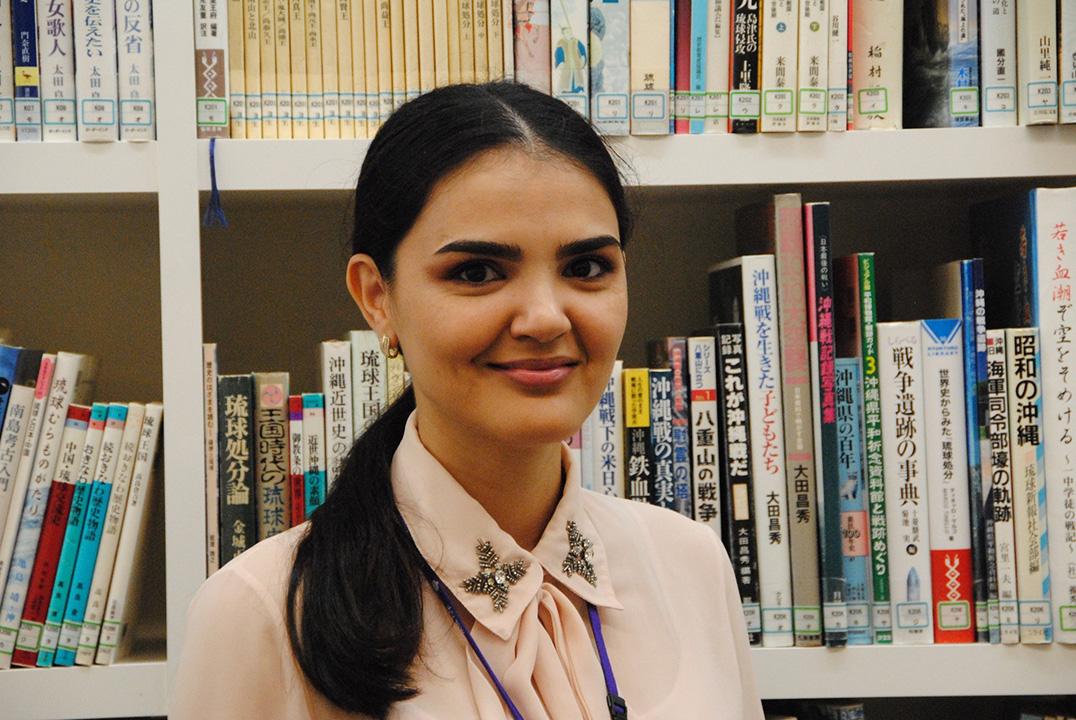
MIVE
From Turkmenistan
-
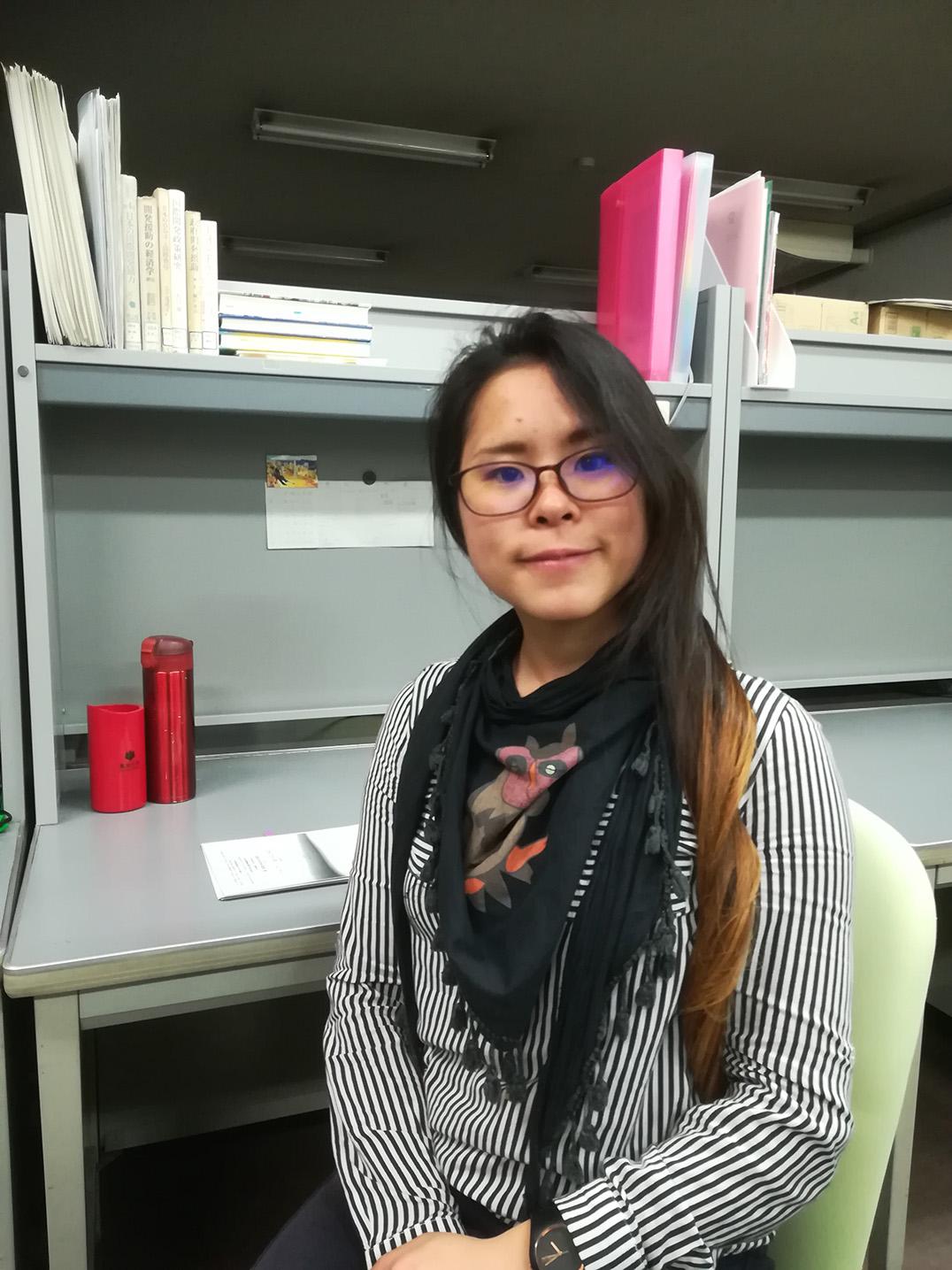
LAURA
From Argentina
-
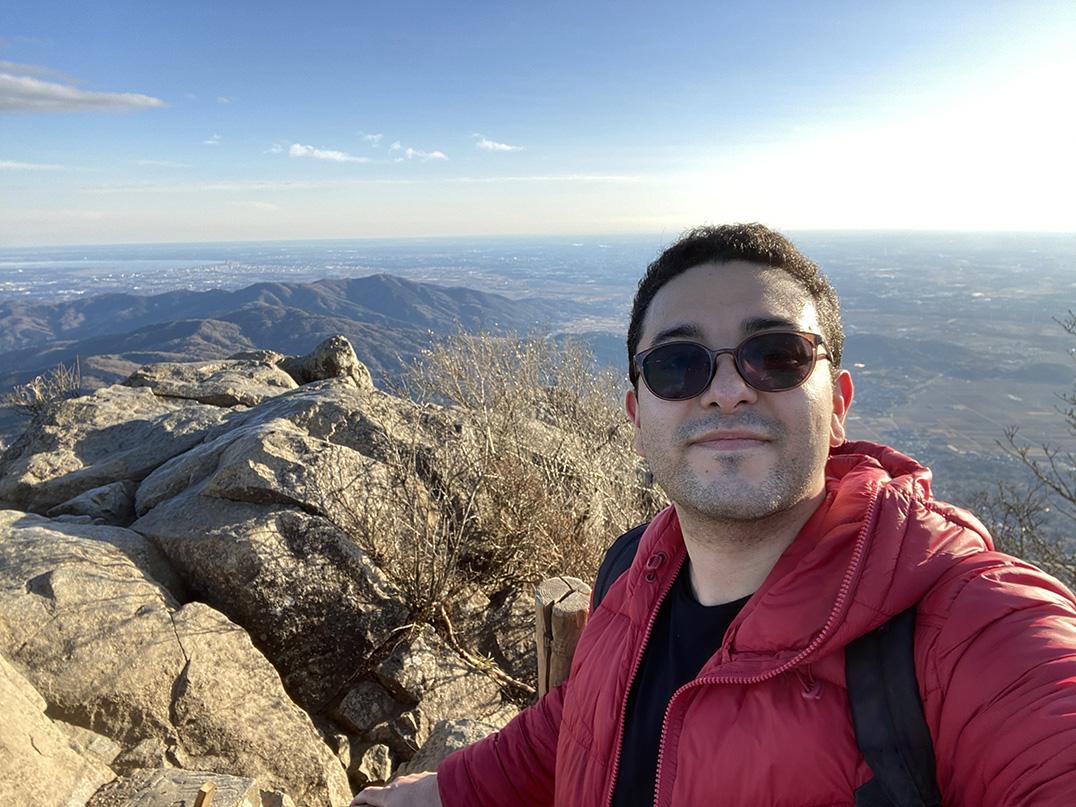
SERGIO
From Colombia
-
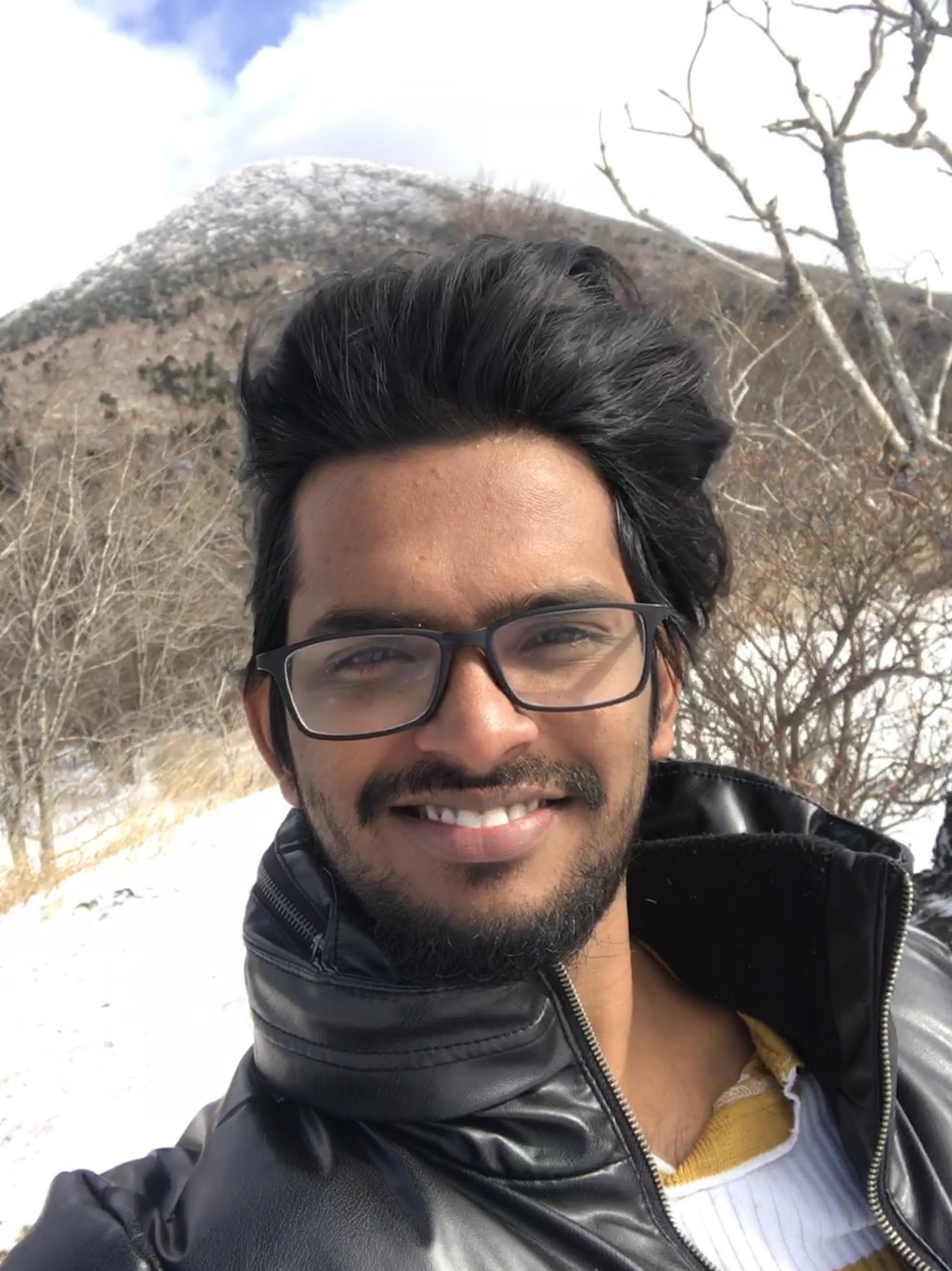
LENNY
From India
-
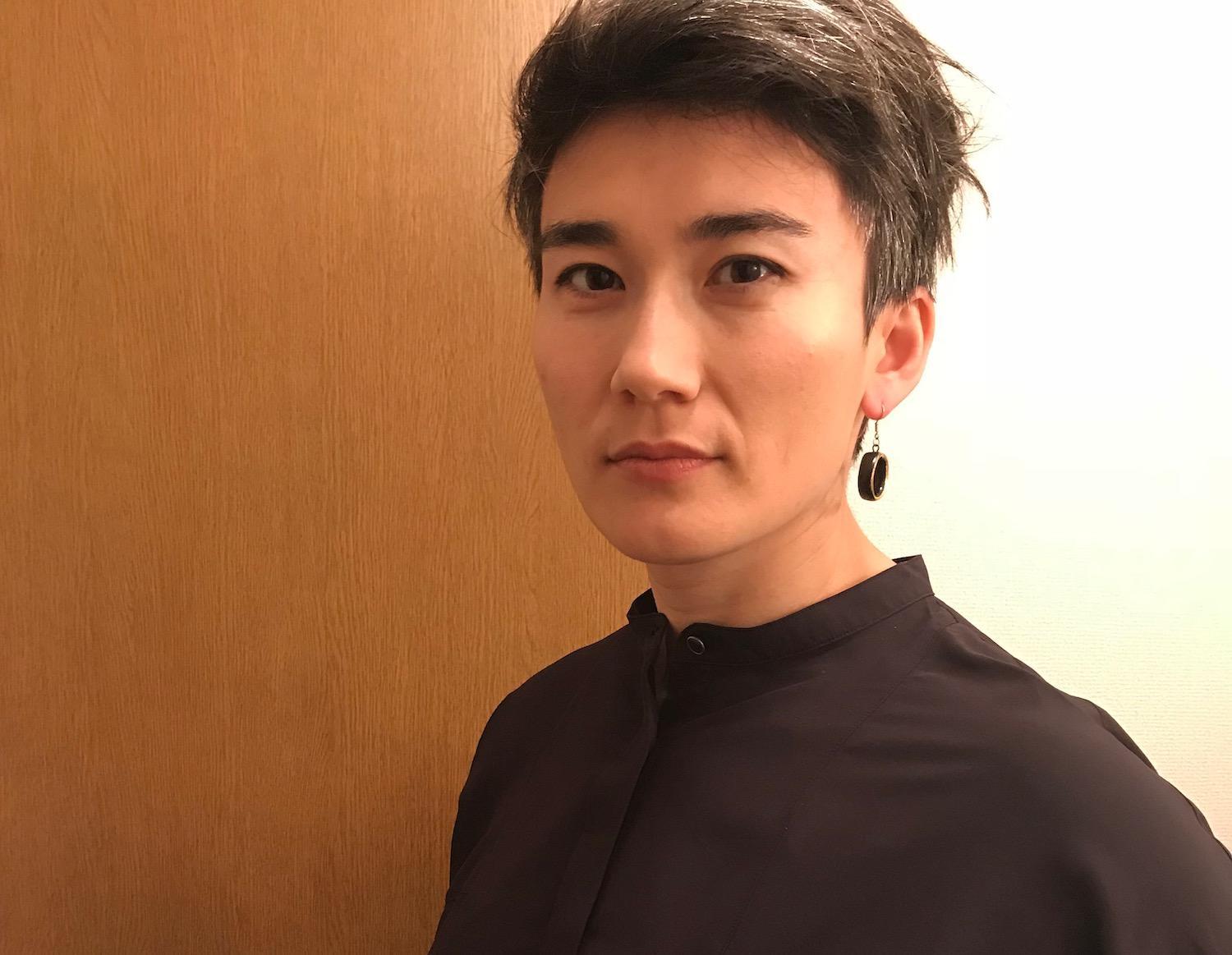
ZHANAR
From Kazakhstan
-
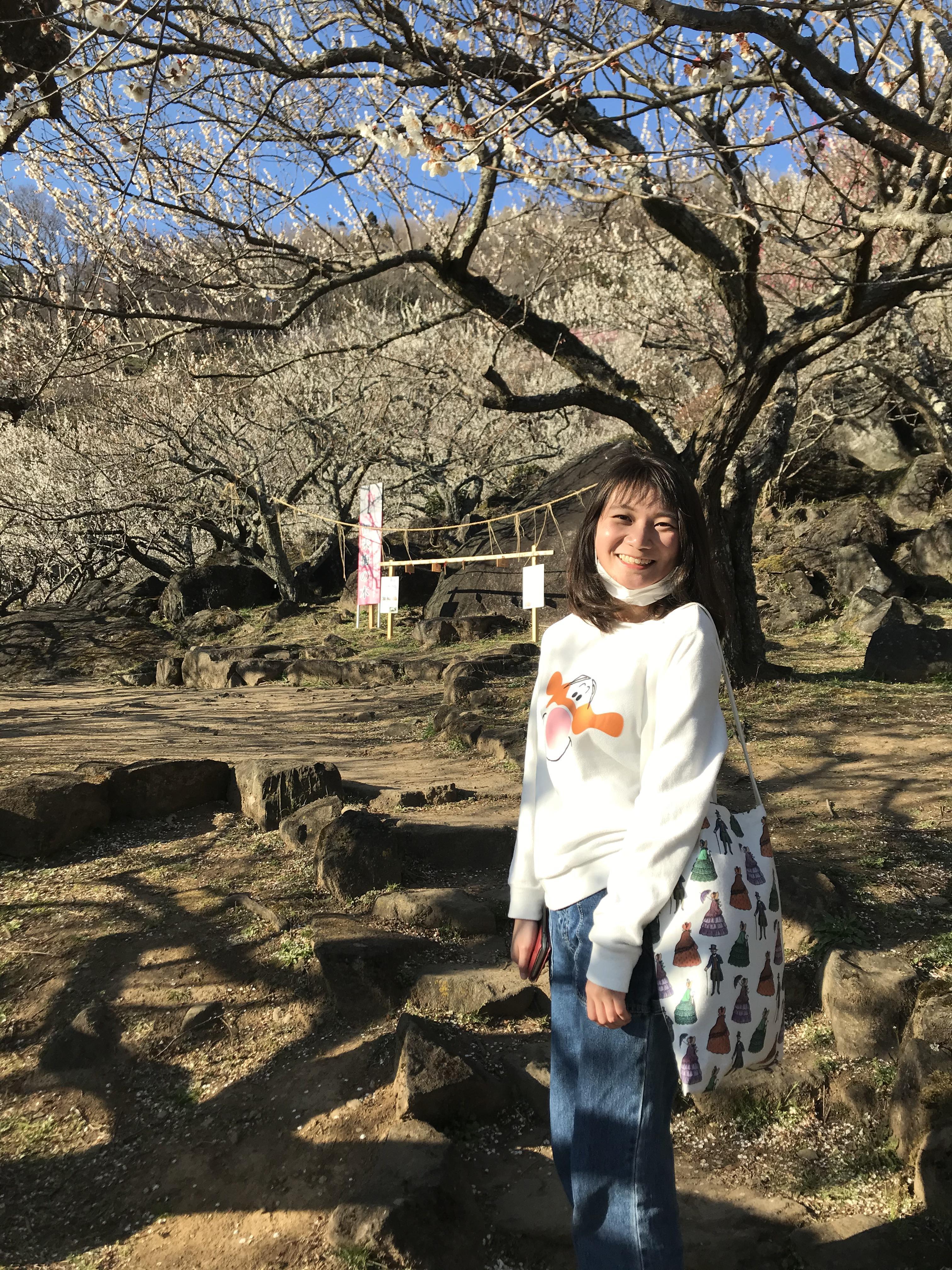
PENG
From Malaysia
-
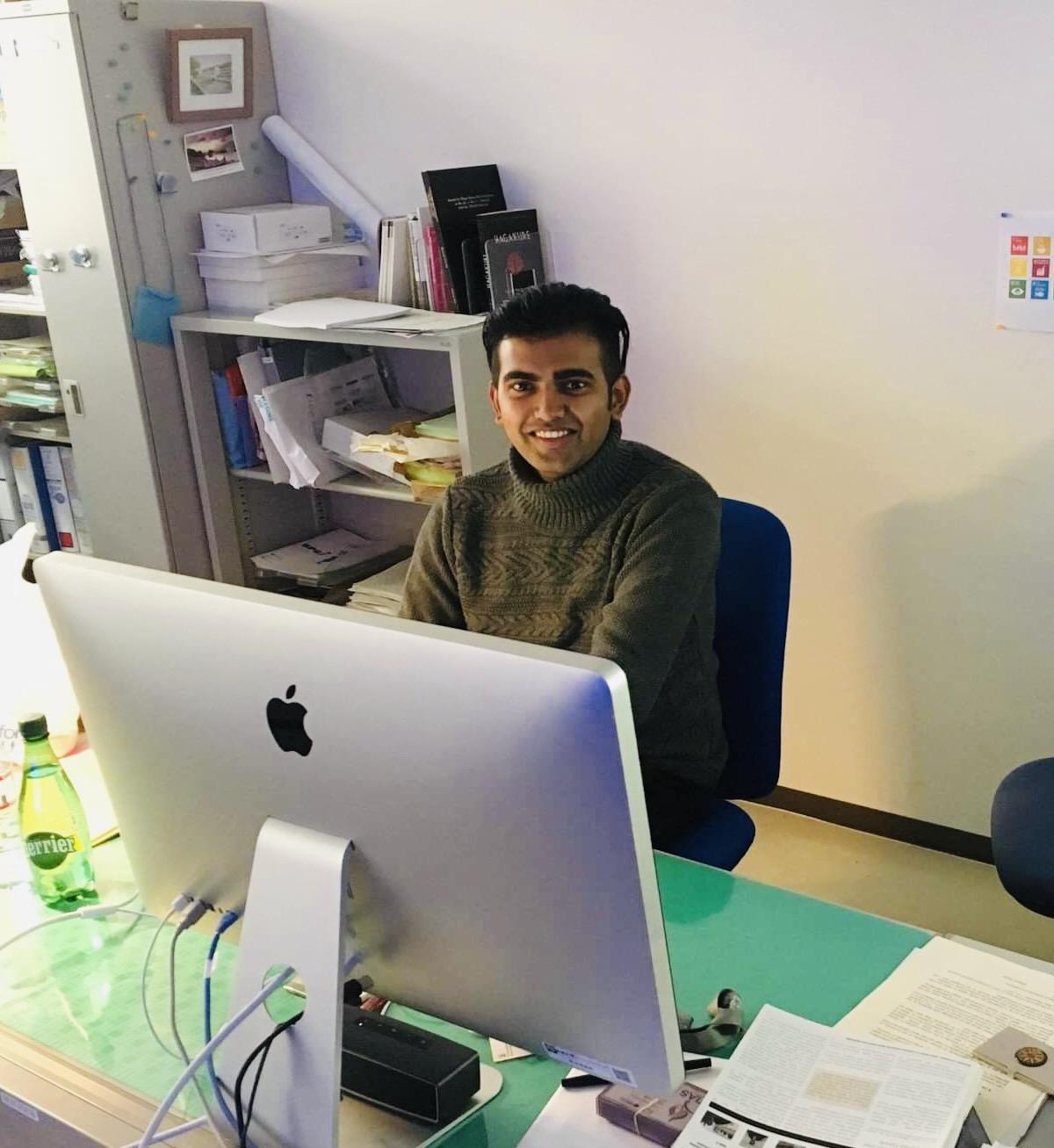
RAVI
From Nepal
-
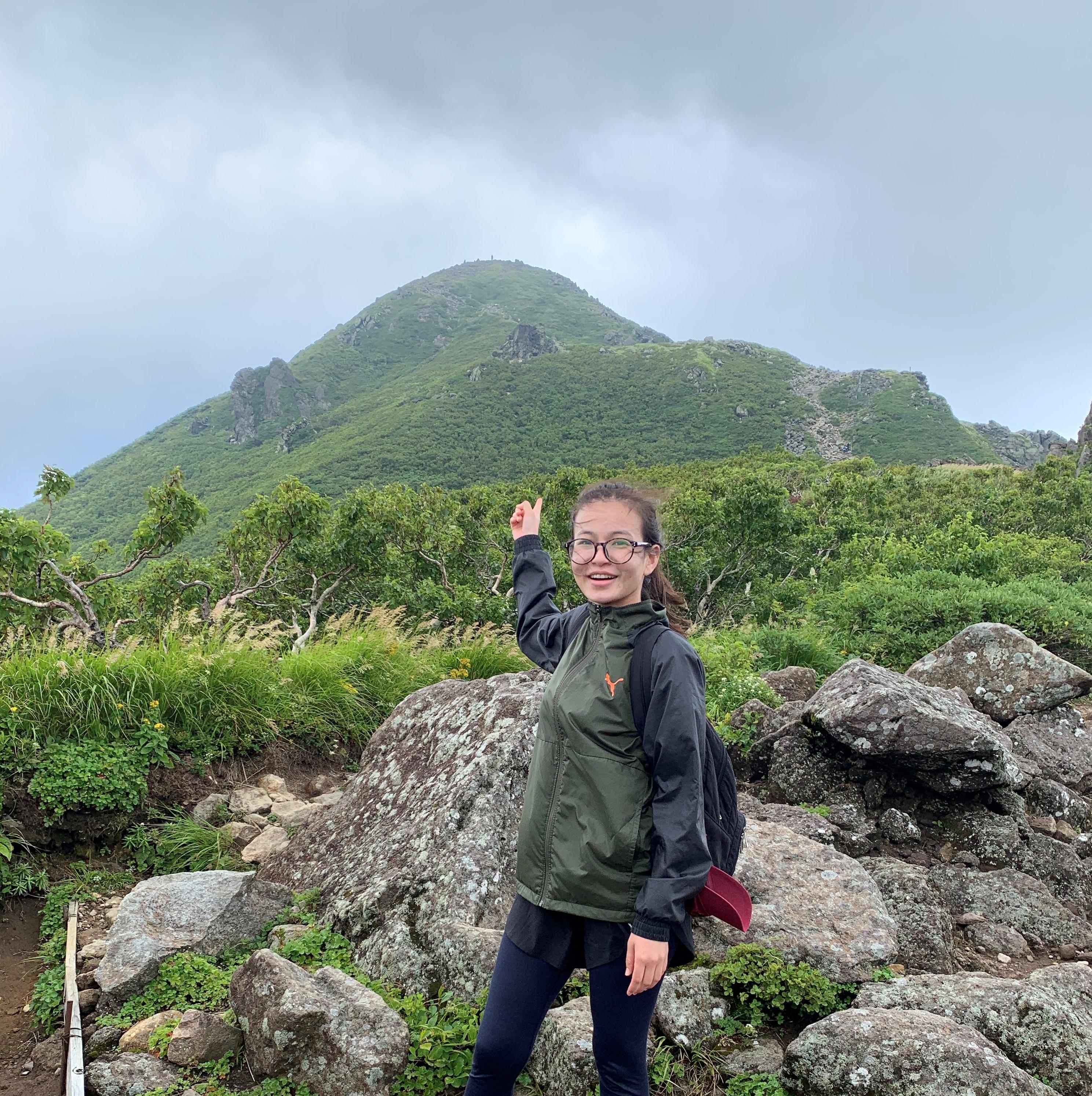
SUNITA
From Nepal
-
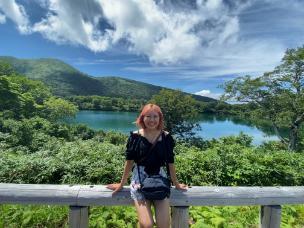
ATOM
From Thailand